Eureka Blaze beats the Bissell Featherweight, but neither should be your only carpet vacuum
Buy the Eureka Blaze NES215A for most small, hard-floor homes because its swivel head and more accommodating nozzle improve every cleaning pass, but choose the Bissell Featherweight 2033M if its roughly three-pound weight is the deciding accessibility advantage.
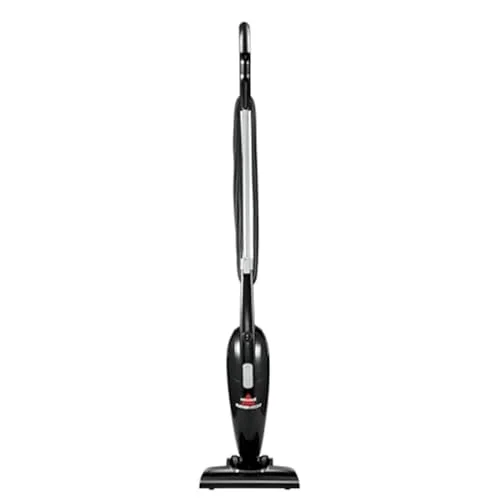
Bissell Featherweight 2033M
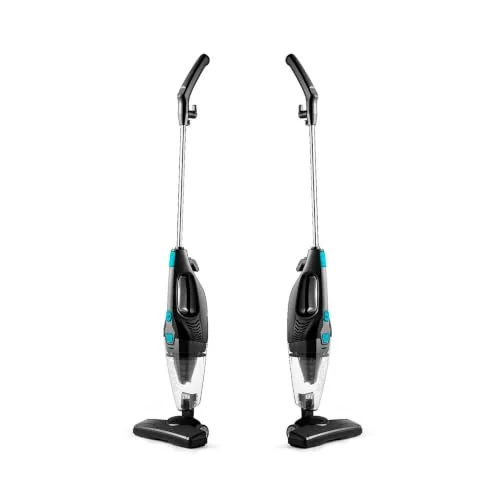
Eureka Blaze NES215A
These two machines are inexpensive electric brooms wearing vacuum-cleaner clothes. Both plug into the wall, convert into handheld cleaners and use suction-only floorheads with no rotating brush. That simplicity makes either one useful for crumbs, loose hair and scattered litter on hard floors, but it also sets a firm ceiling on carpet cleaning.
The Eureka Blaze wins because it is the more thoughtful shape. Its floorhead swivels around furniture, its front opening accepts larger pieces more readily, its cup is easier to inspect and its cord provides slightly more reach. None of those differences sounds dramatic in isolation. Together, they remove several small irritations from a tool bought specifically for quick cleanup.
The Bissell Featherweight answers with lower weight and a tighter floorhead. It is exceptionally easy to lift, and its better-sealed intake can concentrate suction over cracks more effectively. Those are real advantages, especially for stairs, limited strength or fine debris caught between hard-floor boards, but they do not make the Bissell the stronger all-round choice.
Choose Eureka: You want the easier machine to steer through a furnished room and regularly collect mixed crumbs, grit, litter or loose fur.
Choose Bissell: You need the lightest possible cleaner and mostly chase small debris across hard floors or out of crevices.
Choose neither: You expect one machine to deep-clean carpet, pull embedded pet hair from fabric or provide allergy-grade filtration.
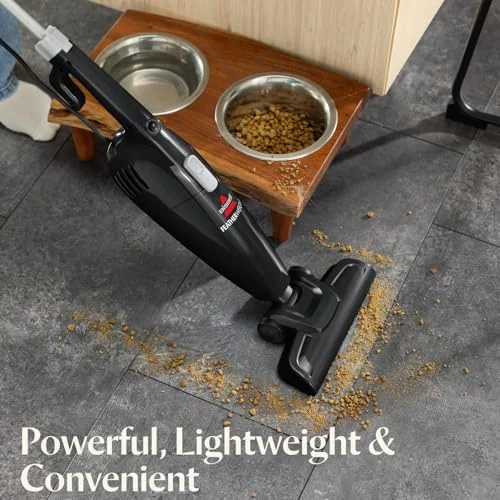
Bissell Featherweight 2033M
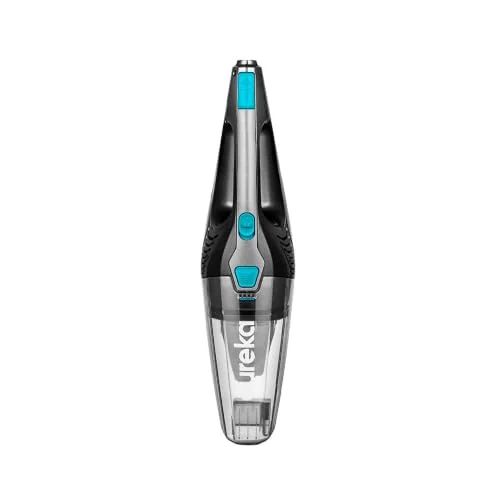
Eureka Blaze NES215A
At a Glance
| Feature | Bissell 2033M Featherweight Stick Lightweight Bagless Vacuum and Electric Broom with Crevice Tool for Hard Floors and Carpets, Black | Eureka NES215A Blaze 3-in-1 Swivel Handheld & Stick Vacuum Cleaner, Blue |
|---|---|---|
| Price tier | Budget | Budget |
| Format | — | NES215A |
| Finish | Black | Blaze Blue |
| Check Price on Amazon | Check Price on Amazon |
The Eureka wins the jobs these machines can actually do
A direct comparison should begin with the shared limitation, not the cosmetic differences. Neither floorhead contains a powered brush roll. Both can lift visible debris resting on low-pile carpet, but neither can agitate the fibers to release buried grit or hair. If carpet is a meaningful part of the home, use Cord Edge’s explanation of brush rolls versus suction-only heads before treating either product as a primary vacuum.
| Decision point | Bissell Featherweight | Eureka Blaze | Advantage |
|---|---|---|---|
| Hard-floor crumbs and grit | Strong on small debris directly beneath its narrow intake | Strong on mixed loose debris, with a larger front capture opening | Eureka |
| Steering | Fixed floorhead requires more arm movement to change direction | Swivel joint turns around furniture and through tighter routes | Eureka |
| Large loose pieces | Narrow entrance can push, catch or later release chunky debris | Raised opening admits larger pieces more readily | Eureka |
| Cracks and floor crevices | Tighter seal concentrates suction effectively over narrow gaps | Front opening leaks some air needed for deep crevice pickup | Bissell |
| Carrying and stairs | Roughly three pounds in independent measurement | Listed at four pounds | Bissell |
| Cord reach | Approximately 15 feet | Approximately 18 feet | Eureka |
| Embedded carpet dirt | No powered agitation | No powered agitation | Neither |
| Fine-dust containment | Basic non-HEPA filtration | No supported HEPA or sealed-system claim | Neither |
The Blaze is less fussy about what lands on the floor
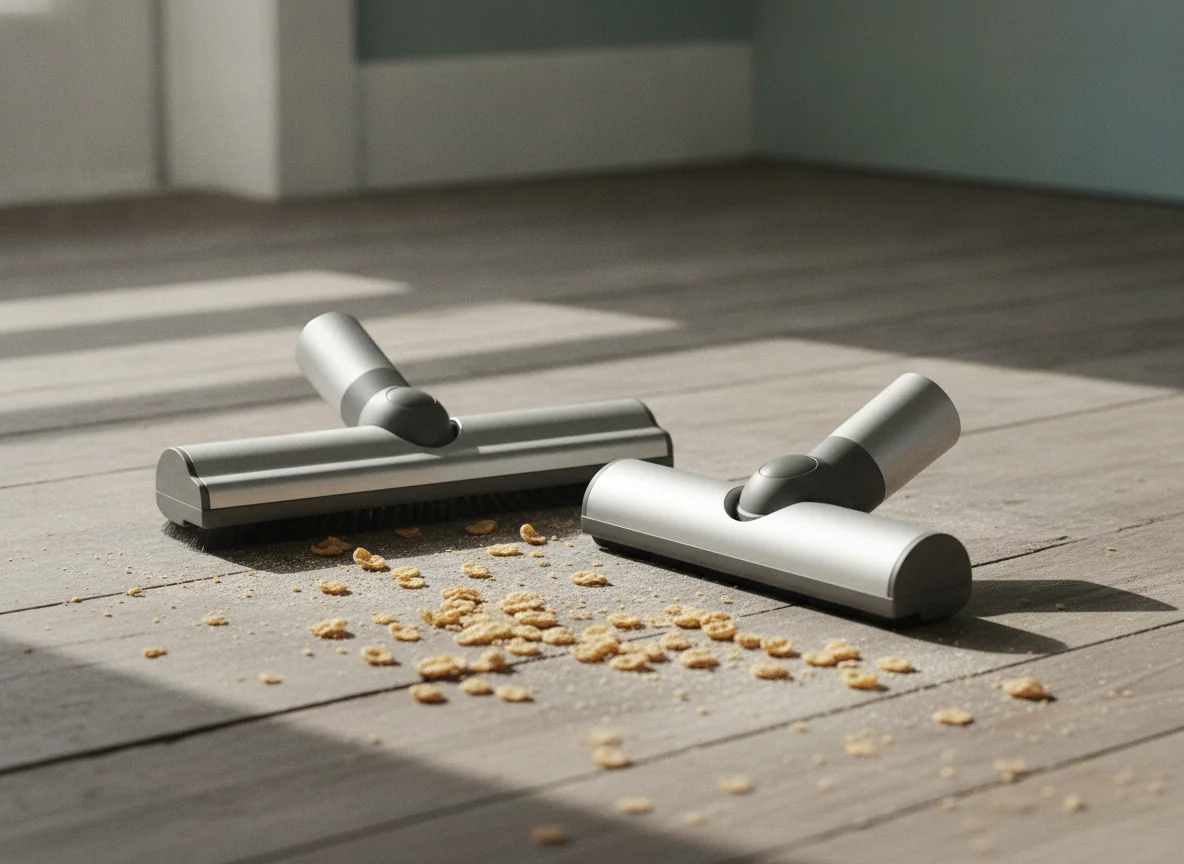
The Eureka’s raised front gate is the most useful performance difference. It gives cereal-sized crumbs and other larger pieces somewhere to enter instead of forcing the head to bulldoze them. Very large debris may still require lifting or angling the nozzle, so the Blaze does not suspend the laws of geometry, but it is less likely than the Bissell to turn breakfast cleanup into a tiny obstacle course.
The Bissell’s narrower path works in the opposite direction. Its close-fitting head can seal tightly over fine debris and floor gaps, yet the same entrance can clog or trap a larger piece. Controlled testing also found low overall airflow and suction despite effective pickup when the small intake sat directly over the mess. It performs a narrow job convincingly rather than cleaning a broad strip with hidden reserves of power.
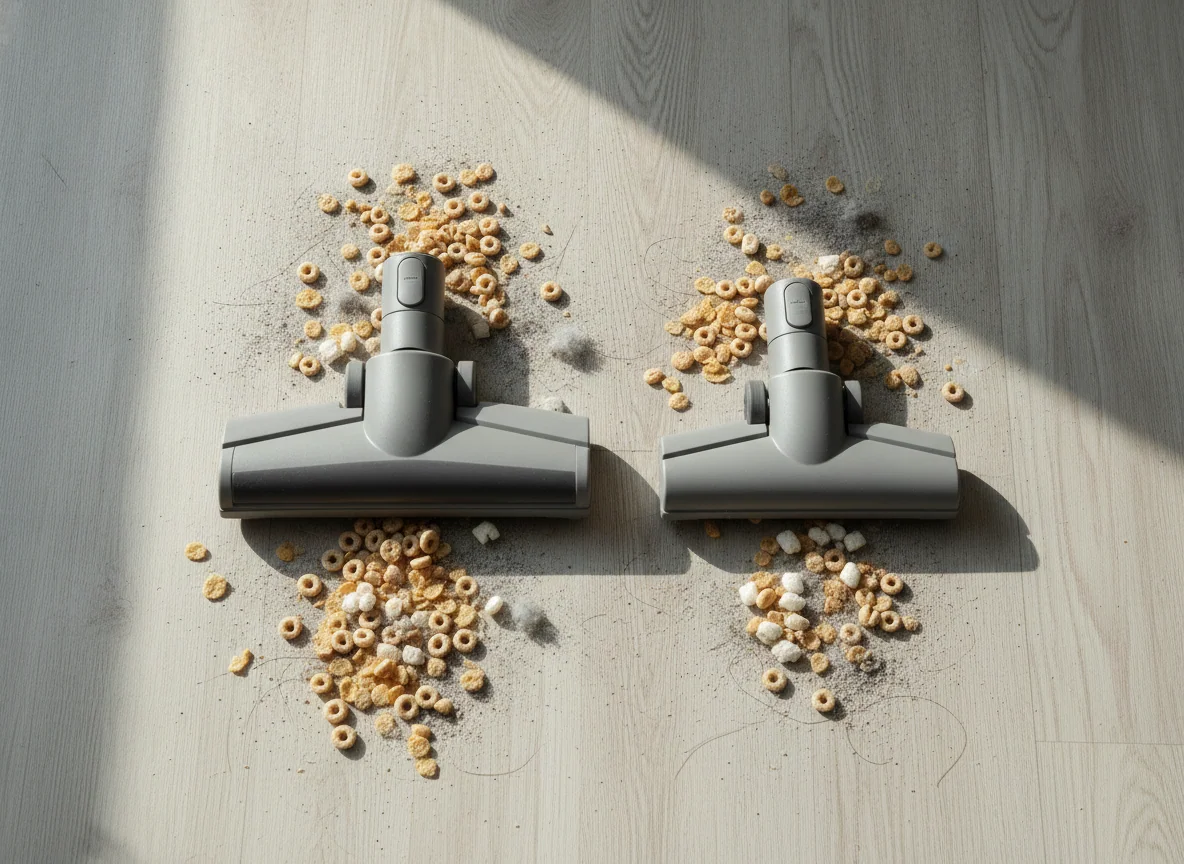
Swivel steering matters more than another ounce of suction
An electric broom succeeds by making a two-minute cleanup feel easier than fetching a full-size vacuum. The Eureka supports that purpose with a head that turns around chair legs and changes direction as the handle moves. The Bissell remains light enough to slide and redirect by hand, but its fixed head asks the user to supply the articulation that the machine omitted.
The Bissell is still the better accessibility choice when every pound matters. Its measured weight is roughly three pounds, while Eureka lists the Blaze at four pounds. That difference is modest on paper and meaningful when carrying a cleaner upstairs, holding the body in handheld mode or working with limited grip strength.
Neither machine becomes cordless by being small
The Featherweight 2033M and Blaze NES215A are both corded, with no battery, charger or runtime limit. The Bissell provides about 15 feet of lead, while the Eureka listing specifies 18 feet. The Blaze therefore wins reach, although both can require outlet changes across a large room or multiroom home.
Corded operation is a sensible match for a lightweight secondary cleaner because it avoids charging delays and eventual battery replacement. It is not the same as unrestricted movement. Readers deciding whether that trade is acceptable can compare it directly in Cord Edge’s guide to corded and cordless stick vacuums.
Carpet is the point where both recommendations stop
Either cleaner may leave a low-pile rug looking better by removing lint, crumbs and hair resting on its surface. That visible improvement can be misleading. Without a powered roller, neither machine combs the pile or loosens material that has worked below the top layer.
The clearest warning comes from long-term Eureka use: hair that appeared to have been removed from a low-pile rug was still present when the owner checked the fibers with tape. That result matches the hardware rather than contradicting reports of satisfying surface pickup. The Blaze can collect exposed fur from tile and still fail at fur embedded in carpet.
The Bissell has the same structural problem. It can handle loose debris on a flat rug, and the tight nozzle can produce an impressive clean-looking pass, but it has no mechanism for agitating embedded pet hair. Homes with substantial carpet should leave this comparison and use the stick-vacuum guide for carpet; shedding households should narrow that search further with the pet-hair recommendations.
Both filters turn convenience into a dusty chore
Each machine routes debris into a small cup around a washable filter. That keeps bags off the shopping list, but fine dust and hair collect directly on the filter and can restrict airflow. Emptying may involve pulling away a furry mat, tapping loose dust into the bin and waiting for a washed filter to dry completely.
The Eureka’s clear cup is easier to monitor, which helps the owner empty it before debris becomes tightly packed. The Bissell’s dark cup is less revealing, and its central fabric filter loads quickly because the design offers little effective cyclonic separation. Neither is a clean, one-touch emptying system.
Neither product has supported sealed HEPA filtration. That is not a minor specification for a buyer with asthma, allergies or a need to contain fine particles. Cord Edge’s guide to HEPA filters in stick vacuums explains why visible pickup and exhaust filtration answer different questions.
Choose the Eureka Blaze NES215A for the better everyday electric broom.
Its swivel head, larger debris opening, clearer cup and slightly longer cord make routine hard-floor cleanup easier than it is with the Bissell.
Its brushless head cannot remove embedded carpet hair, and emptying often means handling debris stuck to the washable filter.
Choose the Bissell Featherweight 2033M when minimum weight matters more than maneuverability.
Its roughly three-pound body is exceptionally easy to carry, and its tightly sealed nozzle is particularly effective on small debris and floor crevices.
Its fixed head, short cord and narrow intake make whole-room cleaning more awkward, while its lack of a brush roll rules out serious carpet work.
Same three configurations, different amounts of grace
Both products use “three in one” to describe rearrangements of the same parts. Attach the handle and floor nozzle for stick mode, remove the handle for stairs, or strip the body down and add the crevice tool for handheld work. Neither package includes a powered upholstery attachment, dusting brush or specialized pet tool.
The conversion is useful for crumbs, baseboard edges and stair corners, but it does not turn either product into a complete car vacuum. A nearby outlet is still required, upholstered seats still benefit from agitation and one rigid crevice nozzle covers broad fabric slowly. The Eureka keeps that nozzle on its handle, which at least reduces the chance that the only accessory disappears into a cupboard.
Buyers looking for exact maintenance details, replacement-filter guidance or the limits of each handheld arrangement can continue to Cord Edge’s dedicated Eureka Blaze NES215A review or Bissell Featherweight 2033M review.
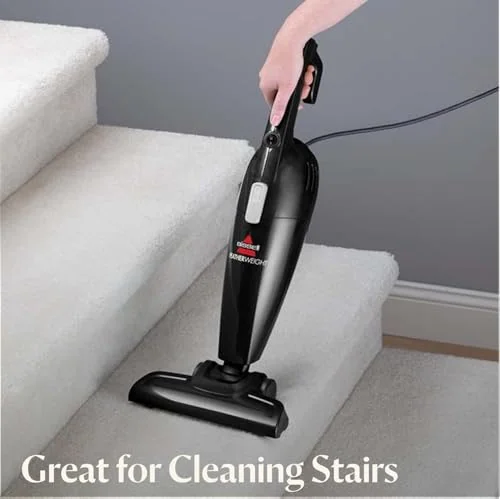
Bissell Featherweight 2033M
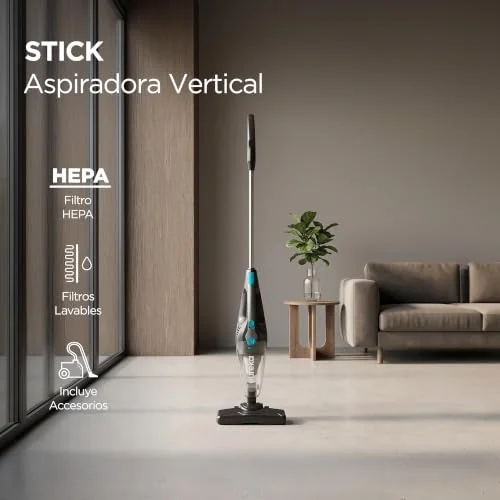
Eureka Blaze NES215A
Buy for the floor you have, not the apartment stereotype
The Eureka buyer
Pick the Blaze for a kitchen, dorm, compact apartment or secondary floor where loose debris on hard surfaces is the recurring problem. It is the stronger choice around furniture, beneath tables and anywhere mixed crumbs or litter make the Bissell’s narrow entrance feel needlessly particular.
The Bissell buyer
Pick the Featherweight when lifting and carrying are the main obstacles to cleaning. It also suits a small hard-floor space where dust, fine crumbs, loose hair and debris in floor seams matter more than larger food pieces or agile steering.
The buyer who should walk away
Skip both if this purchase must replace an upright in a carpeted home, remove embedded pet hair from upholstery or contain fine dust for a sensitive household. A small home does not make carpet shallower, and a low acquisition cost does not make buying the wrong cleaning system economical.
Eureka Blaze advantages
Eureka Blaze drawbacks
Bissell Featherweight advantages
Bissell Featherweight drawbacks
The Eureka Blaze is the better buy for most people choosing between these two because it improves the ordinary act of moving around a room and picking up whatever was dropped. The Bissell Featherweight remains a defensible specialist for buyers who need the lowest possible carrying weight or unusually effective pickup across narrow hard-floor gaps. Neither deserves promotion beyond electric-broom duty.
Frequently Asked Questions
Which is better, the Bissell Featherweight or Eureka Blaze?
The Eureka Blaze is better for most buyers because its swivel steering, larger debris opening, clearer cup and longer cord outweigh the Bissell’s lower weight and stronger crevice pickup.
Are the Bissell Featherweight 2033M and Eureka Blaze NES215A cordless?
No, both are corded vacuums with no battery or charger.
Which model is lighter?
The Bissell is lighter at roughly three pounds in independent measurement, while the Eureka is listed at four pounds.
Which one is better on hard floors?
The Eureka is the better general hard-floor cleaner because it steers more easily and admits larger debris, although the Bissell has an edge over narrow cracks.
Which one is better on carpet?
Neither is a good deep carpet cleaner because both use straight suction without a powered brush roll.
Do either of these vacuums have a rotating roller?
No, the basic 2033M and NES215A floorheads contain no powered brush roll, drive belt or rotating cleaning brush.
Which one handles pet hair better?
Both collect loose fur from hard floors without hair wrap, but neither reliably extracts hair embedded in carpet or upholstery.
Which one is better for cat litter?
The Eureka is usually the easier choice for scattered litter because its capture opening accepts mixed loose pieces more readily.
Can the filters be washed?
Yes, both use washable filters that must be completely dry before reinstallation.
Do either of these models have HEPA filtration?
No supported evidence identifies either model as a sealed HEPA vacuum.
Which vacuum has the longer cord?
The Eureka has an approximately 18-foot cord compared with about 15 feet for the Bissell.
Can either one replace a full-size vacuum?
Only a small, mostly hard-floor home with light cleaning needs should consider either machine as its sole vacuum.
What attachments are included?
Each model includes a removable floor nozzle and a rigid crevice tool, but neither includes a powered pet or upholstery attachment.
Why is the brush not spinning on either model?
Nothing is malfunctioning because these specific models were designed without rotating floor brushes.
Ready to Choose?
Sources (3)
- Amazon listings and customer reviews — Bissell Featherweight 2033m and Eureka Blaze Nes215a
- Owner and reviewer video, 2 channels
- Rtings — Article — www.rtings.com